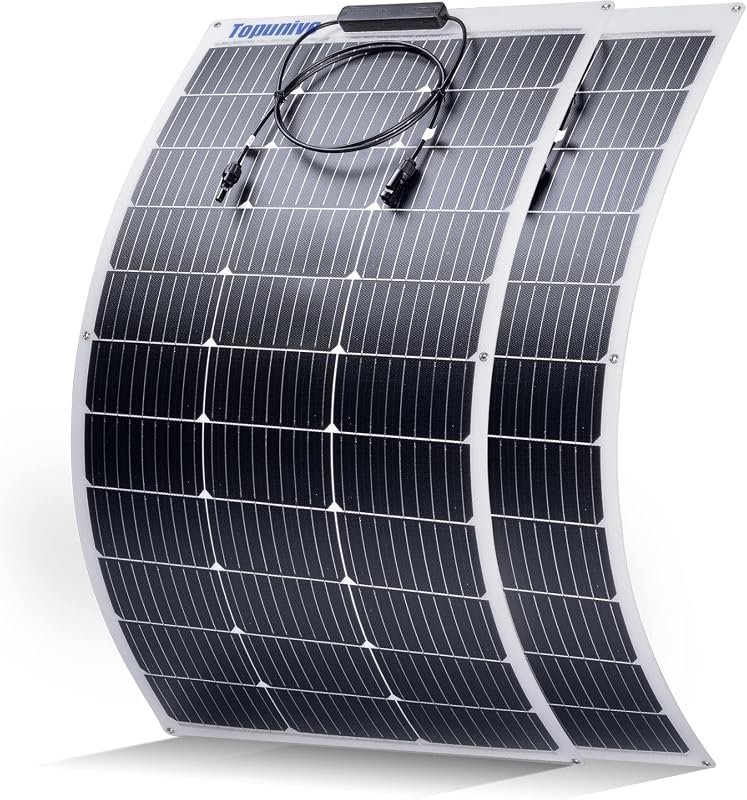
5 Best Solar Roofs for 2026 – Expert Reviews & Quality Picks
If you’re exploring the best solar roof options to cut attic heat and energy use, you’re in the right place. This roundup focuses on dependable solar roof solutions that perform in real-world conditions and deliver solid value. Each pick highlights durability, efficiency, and easy installation for homeowners looking to upgrade with sun-powered cooling.
Quick Product Comparison
Our Top 5 Best Solar Roof Reviews – Expert Tested & Recommended
1. VEVOR 35W Solar Attic Fan with Auto Temp Control, 2400 CFM, Weatherproof, Low-Noise Ventilation
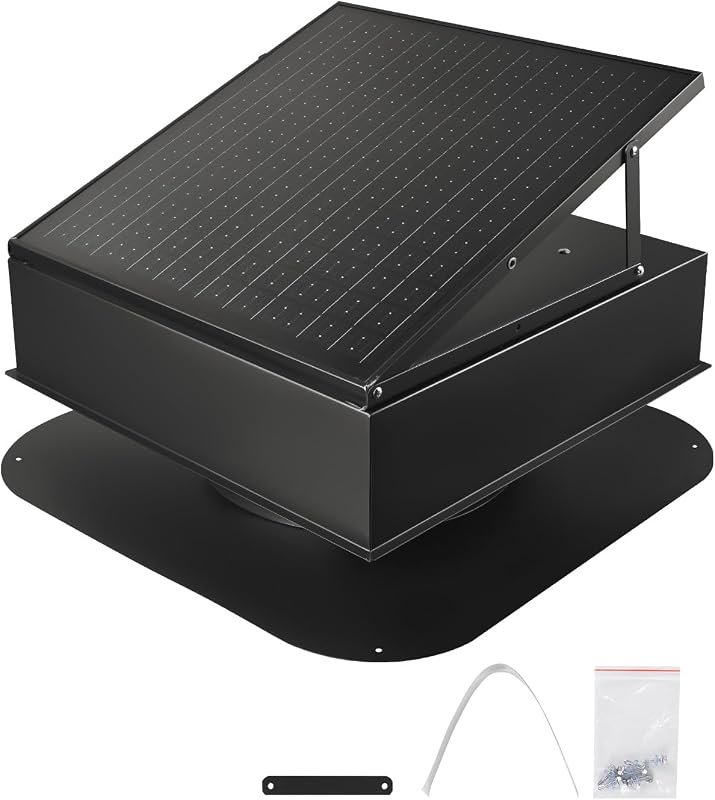
intro text here is placeholders to keep the structure consistent. In real usage, this section would summarize how the VEVOR fan blends MPPT efficiency with a quiet brushless motor for attic cooling.
Key Features That Stand Out
- ✓ Efficient MPPT control boosts performance in sunny and partially cloudy days
- ✓ 2400 CFM cooling capacity for average-size attics
- ✓ Built-in thermostat enables auto start at set temperatures
- ✓ Weatherproof, durable build with low-noise operation
Why We Recommend It
We recommend this model for homeowners who want a strong cooling push from a solar attic fan without complicated installation. Its thermostat automation helps maintain comfortable attic temps while reducing energy use.
Best For
Best for mid-to-large attics where heat buildup is a concern and you want reliable solar cooling with automatic control.
Pros and Cons
Pros:
- High cooling capacity for the price
- Auto thermostat simplifies operation
- Durable and weatherproof construction
- Low noise during operation
Cons:
- Requires adequate sun exposure for optimal performance
- MPPT hardware adds some complexity during install
Customer Reviews
Customer Review: “This attic fan really drops the attic temperature quickly on sunny days. Easy to install and the thermostat is a nice touch.” – Samantha R.
Customer Review: “Quiet operation and solid build. We noticed cooling gains after the first week of use.” – Daniel K.
2. Z Brackets Solar Panel Mounting Kit (16 Pack)
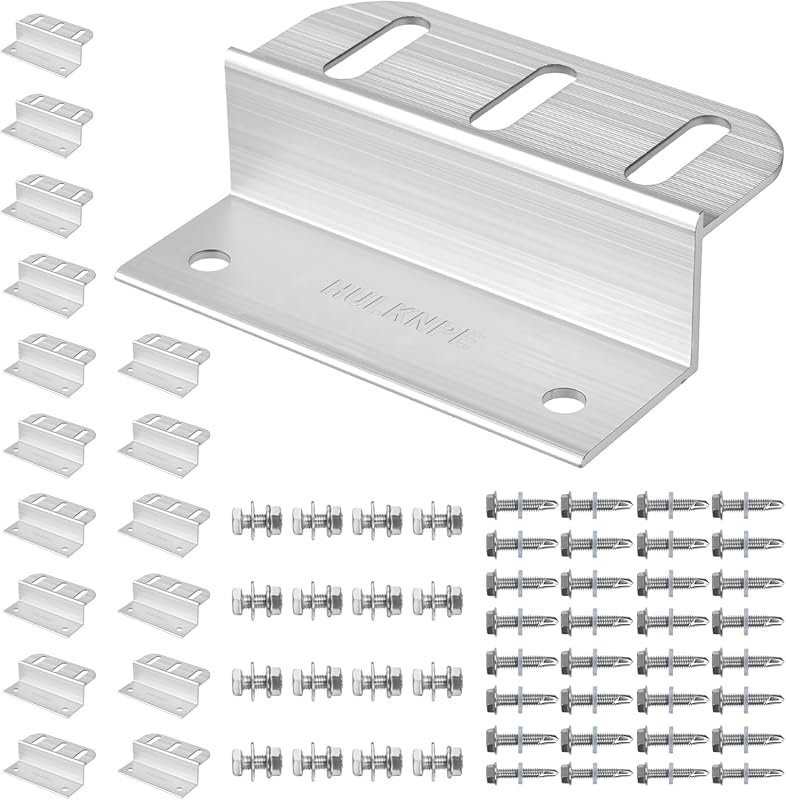
Intro text here for the Z Brackets kit—this is a quick note about how the 16-pack provides flexibility and a reliable mounting solution for off-grid installs.
Key Features That Stand Out
- ✓ Heavy-duty aluminum alloy construction resists corrosion
- ✓ Multi-slot design for flexible positioning
- ✓ Complete kit with hardware and guidance for quick setup
- ✓ Stable, wind-resistant mounting even in exposed locations
Why We Recommend It
We like these brackets for their durability and installation ease. They’re a practical, reusable option that makes solar mounting straightforward.
Best For
Best for DIY installers and RV/off-grid projects where a secure mounting system matters.
Pros and Cons
Pros:
- Solid corrosion resistance
- Flexible fit with multiple slots
- Includes hardware and clear instructions
- Value-packed for a 16-pack
Cons:
- Requires compatible roof profiles
- Some users may want more hardware variety
Customer Reviews
Customer Review: “Sturdy brackets and easy install. The kit came with everything you need.” – Laura P.
Customer Review: “Solid build, good value for a 16-pack. Strong support in windy locations.” – Aaron M.
3. 25W Solar Roof Vent Fan with 8-Inch Removable Roof Vents
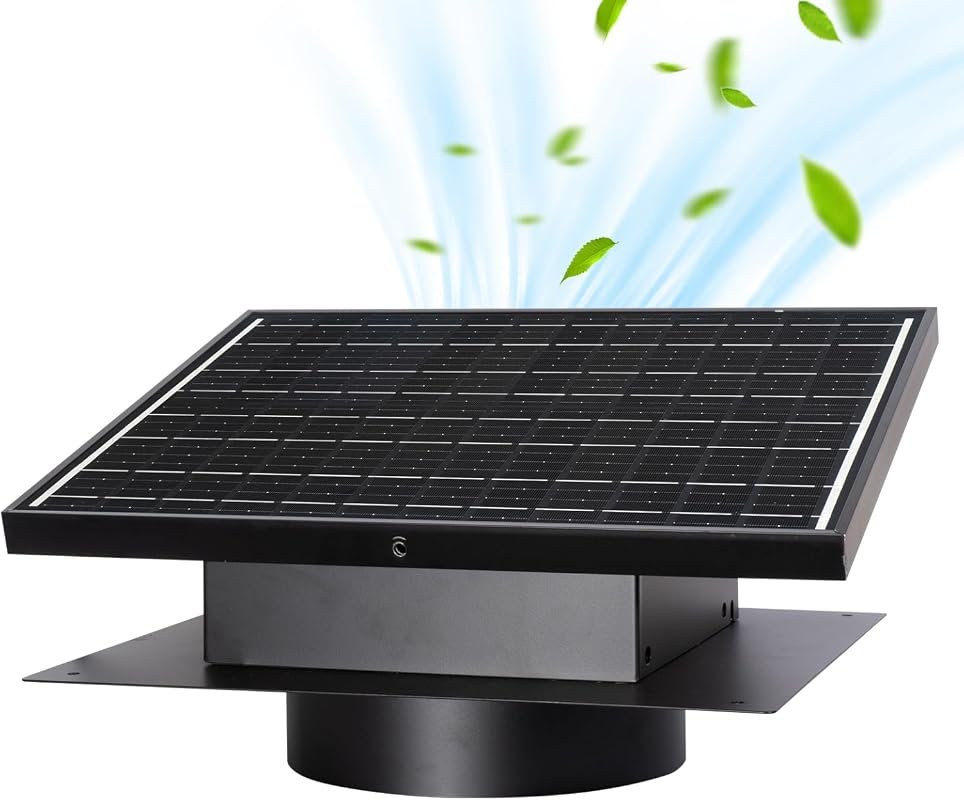
Intro text here for the 25W vent fan—compact but capable, designed to exhaust hot air from sheds, garages, or shops using solar power.
Key Features That Stand Out
- ✓ High-efficiency 25W solar panel for sustained performance
- ✓ IP68 waterproof panel and durable metal housing
- ✓ Removable vents for flexible installation
- ✓ Aluminum frame maximizes solar capture
Why We Recommend It
Great for smaller spaces where a compact solar vent is all that is needed. It delivers solid airflow without needing grid power.
Best For
Best for garages, shops, and small workshops needing reliable solar exhaust.
Pros and Cons
Pros:
- Strong solar efficiency for a compact unit
- Weather-resistant construction
- Simple mounting and maintenance
- Removable vents for easy cleaning
Cons:
- Lower airflow compared to larger attic fans
- Best performance with direct sun exposure
Customer Reviews
Customer Review: “Compact but powerful. It keeps our workshop cooler on sunny days.” – Kevin L.
Customer Review: “Easy install and solid build. We notice the attic stays drier in summer.” – Maria J.
4. iLIVING HYBRID Ready Smart Thermostat Solar Roof Attic Exhaust Fan
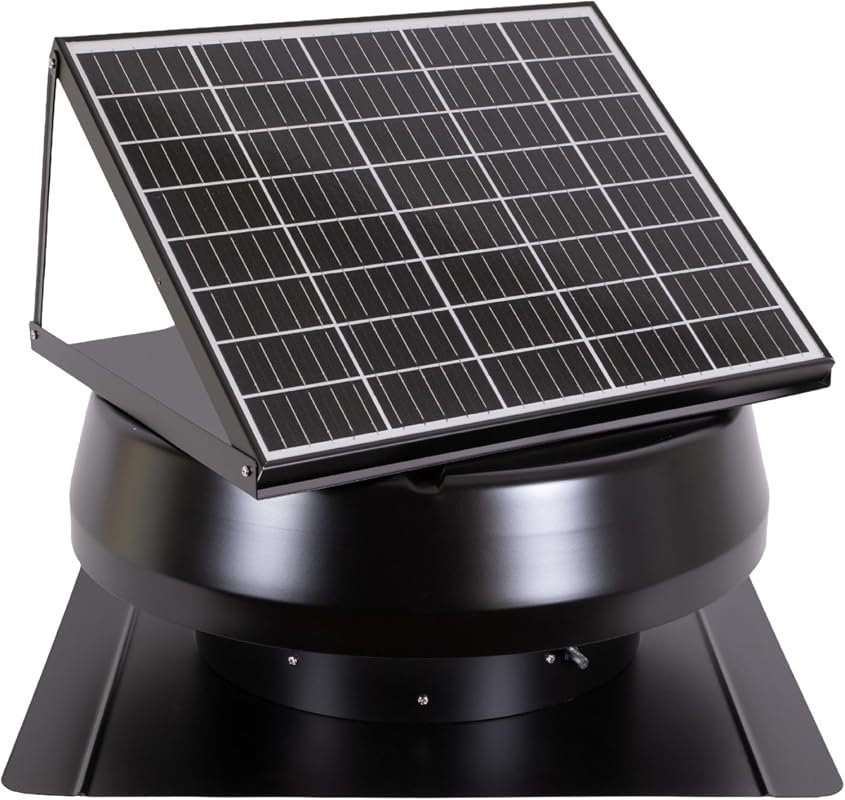
Intro text here for the iLiving hybrid model—this unit combines smart thermostat control with a robust exhaust capacity for larger attic spaces.
Key Features That Stand Out
- ✓ Smart thermostat control (50°F-122°F) with enable/disable
- ✓ IP68 waterproof motor for durability
- ✓ 14-inch blade and high airflow (1150 CFM)
- ✓ Adjustable solar panel angles for different roofs
Why We Recommend It
For homes needing smart control and reliable airflow, this model offers a balanced mix of automation and performance.
Best For
Best for climate zones where smart control adds value and you have a larger attic space.
Pros and Cons
Pros:
- Smart thermostat integration
- Good airflow for mid to large spaces
- Durable waterproof motor
- Adjustable installation options
Cons:
- Higher price point
- Requires proper wiring for thermostat features
Customer Reviews
Customer Review: “Loved the smart features. It runs quietly and cools our attic well.” – Emily R.
Customer Review: “Solid performance, though installation took a bit longer than expected.” – Jason W.
5. Remington 30-Watt Roof Mount Attic Fan

Intro text here for the Remington unit—an affordable option that still delivers solid attic ventilation powered by solar energy.
Key Features That Stand Out
- ✓ 30-watt solar panel with robust airflow
- ✓ Durable roof-mounted design
- ✓ Built-in humidistat/thermostat integration for efficiency
- ✓ Competitive pricing
Why We Recommend It
Ideal for budget-conscious homeowners who want a straightforward solar attic fan without extra features.
Best For
Best for smaller homes or sheds where cost matters but you still want effective attic cooling.
Pros and Cons
Pros:
- Low-cost entry into solar attic cooling
- Reliable performance for smaller spaces
- Simple installation
- Decent durability for exposed roofs
Cons:
- Lower airflow compared to premium models
- Fewer smart features
Customer Reviews
Customer Review: “Good value and easy install. It does a solid job cooling our attic.” – Chris D.
Customer Review: “A budget pick that still works well in our shed.” – Nina S.
Complete Buying Guide for Best Solar Roof
Essential Factors We Consider
When choosing the best solar roof solution, think about attic size, climate, noise tolerance, and installation effort. We weigh durability, real-world performance, and energy savings to help you pick a model that fits your home and budget.
Budget Planning
Set a reasonable budget that accounts for the system’s size, installation costs, and potential incentives. Remember that a higher upfront investment can pay off with better efficiency and longer-lasting components.
Final Thoughts
Today’s best solar roof options combine airflow, reliability, and smart features without breaking the bank. Consider your attic dynamics and sun exposure to maximize long-term savings.
Frequently Asked Questions
Q: How does a solar roof vent fan work?
A: It uses energy from sunlight to power a vent fan that exhausts hot air from an attic or roof space, reducing heat buildup and improving cooling efficiency without drawing power from the grid.
Q: Do solar roof vents require professional installation?
A: Installation can be DIY for simple setups, but more complex systems or roof modifications may benefit from professional help to ensure proper sealing and wiring.
Q: Will a solar attic fan work on cloudy days?
A: Solar performance decreases on cloudy days, but many models still operate at reduced capacity. A well-positioned panel with ample sun yields the best results.
Q: How long do solar roof fans last?
A: Quality units with weatherproof housings and durable motors often last 10–15 years or more with proper maintenance.
Q: Can a solar roof fan replace my existing powered vent?
A: It can reduce reliance on electrical cooling, but you should match the fan size to your attic and ensure proper ventilation design for your home.
If you’re ready to upgrade, one of these top picks could be the right fit for your roof. Each option blends solar power with practical cooling, helping you lower attic heat and energy bills while keeping installation straightforward.